
Magazine
-

How to Style a Futon With Throw Pillows
Pillows solve two futon problems at once: they replace the deep back cushioning a futon doesn’t have, and they break up the large flat plane that makes a futon read as a mattress rather than a sofa. Get the sizes and inserts right and a futon looks like furniture. Get them wrong and you’ve added…
-

Futon vs. Sofa Bed: Which Works Better in a Small Apartment
A futon is lighter, cheaper, easier to move, and fully recoverable — you can replace the cover or the mattress independently for a fraction of the cost of the piece. A sleeper sofa looks more like a sofa and generally sleeps better on its dedicated mattress, at the cost of substantial weight, higher price, and…
-

Why Your Futon Mattress Slides — and How to Stop It
A futon mattress slides because there isn’t enough friction between the cover and the frame deck. Smooth cover fabrics on smooth wood or metal slats have very little grip, and every time someone sits down, the mattress moves a fraction of an inch forward. Add non-slip material between the two surfaces and the problem stops.…
-

Do You Need a Futon Mattress Protector?
A futon mattress protector is a washable barrier that goes directly on the mattress, under the decorative cover. It exists because the mattress itself can’t be laundered — once liquid reaches cotton or foam fill, it stays there. The protector is the layer that takes the spill so the mattress doesn’t. Whether you need one…
-
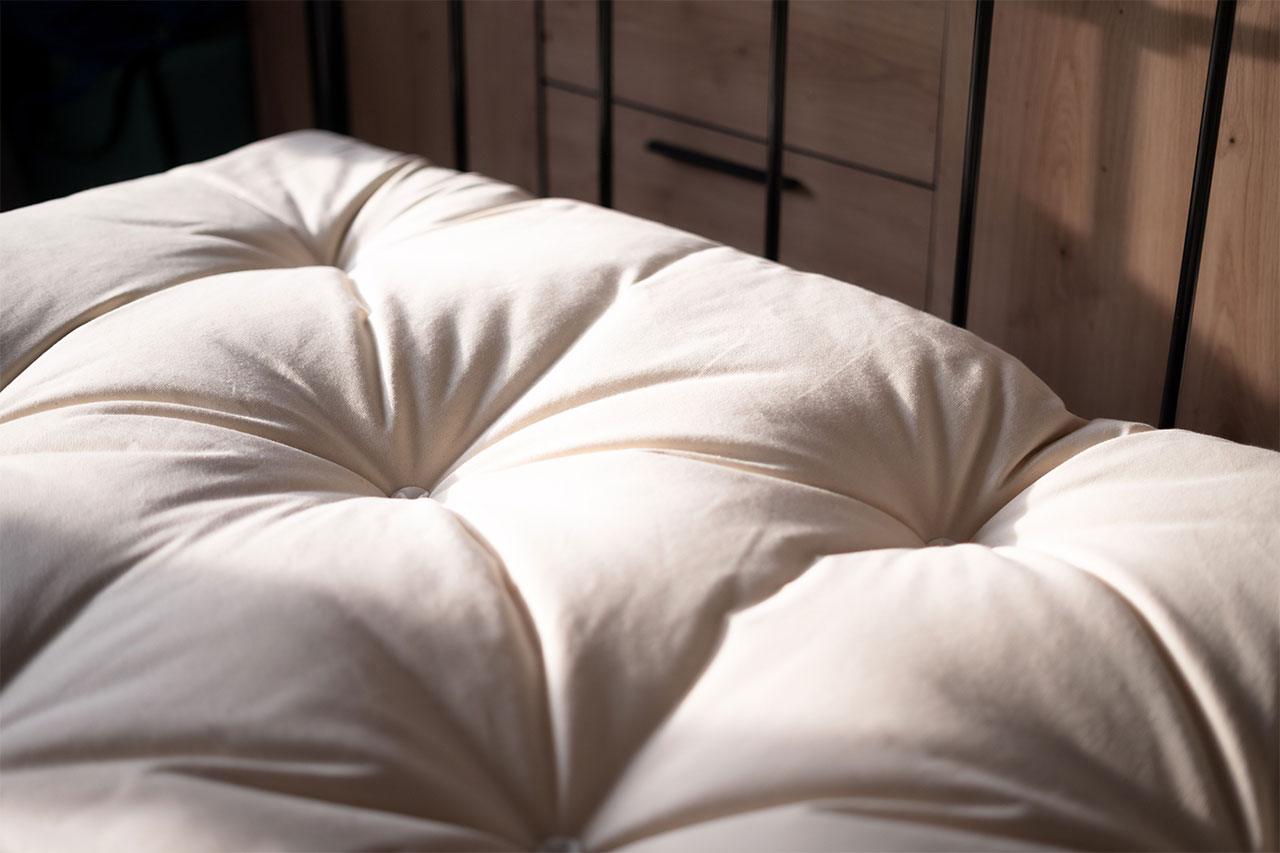
Replace the Cover or the Mattress? How to Tell What’s Actually Worn Out
If the futon looks bad but still feels supportive, replace the cover. If it feels bad — sagging in the middle, lumpy, or bottoming out to the frame slats — replace the mattress. Comfort problems live in the mattress; appearance problems live in the cover. A new cover on a collapsed mattress buys you a…
-
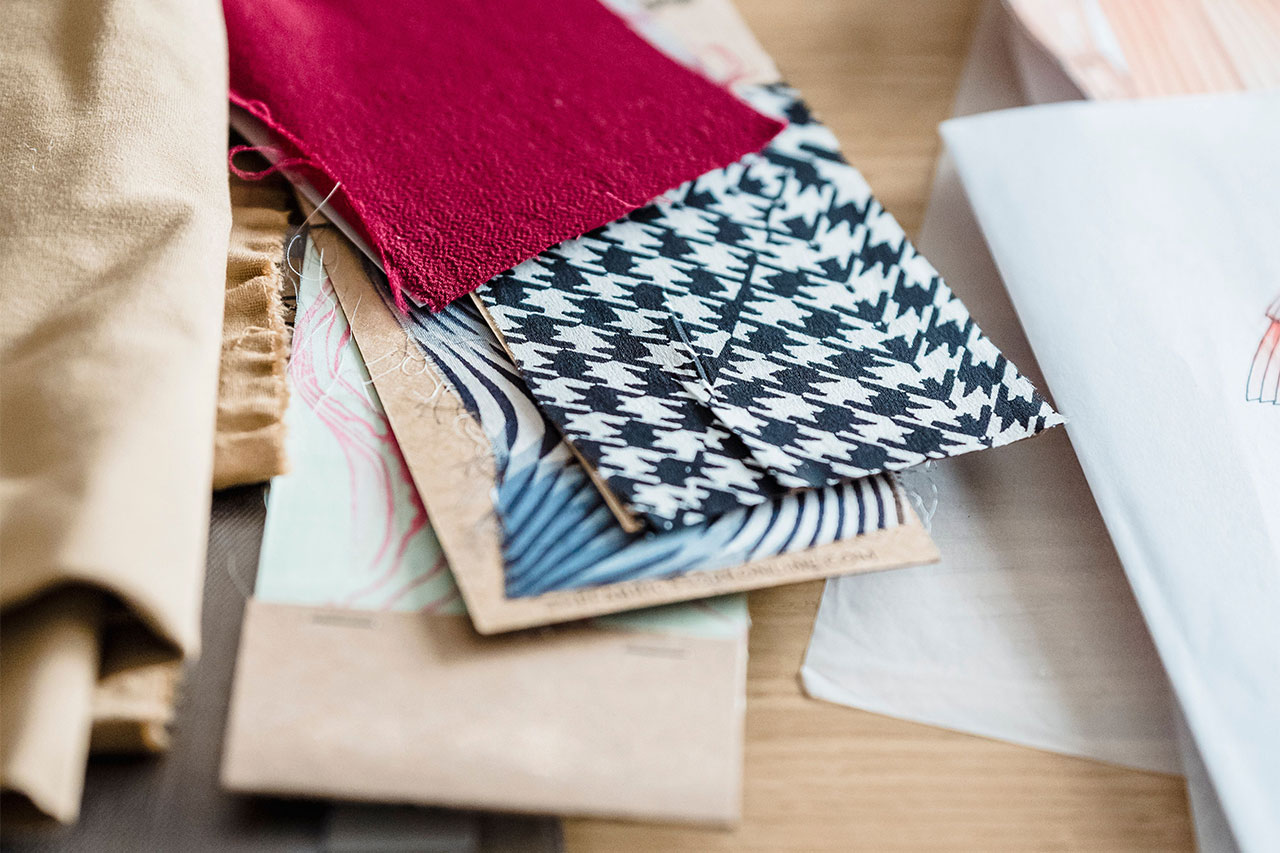
Why to Order Fabric Swatches Before You Buy a Futon Cover
Order swatches because a screen can’t show you two of the three things that determine whether you’ll like a fabric: its true color in your room’s light, and how it feels. Photographs handle pattern well and those two badly. A swatch resolves both for the cost of postage, before you commit to a cover you…
-

How Much Fabric Do You Need to Make a Futon Cover?
Futon cover yardage depends on three things: the mattress dimensions, the fabric’s usable width, and whether the fabric has a pattern repeat or a nap. A full-size cover in a 54-inch-wide solid typically needs several yards; the same cover in a large-repeat print or a directional pile fabric needs meaningfully more. Do the panel math…
-
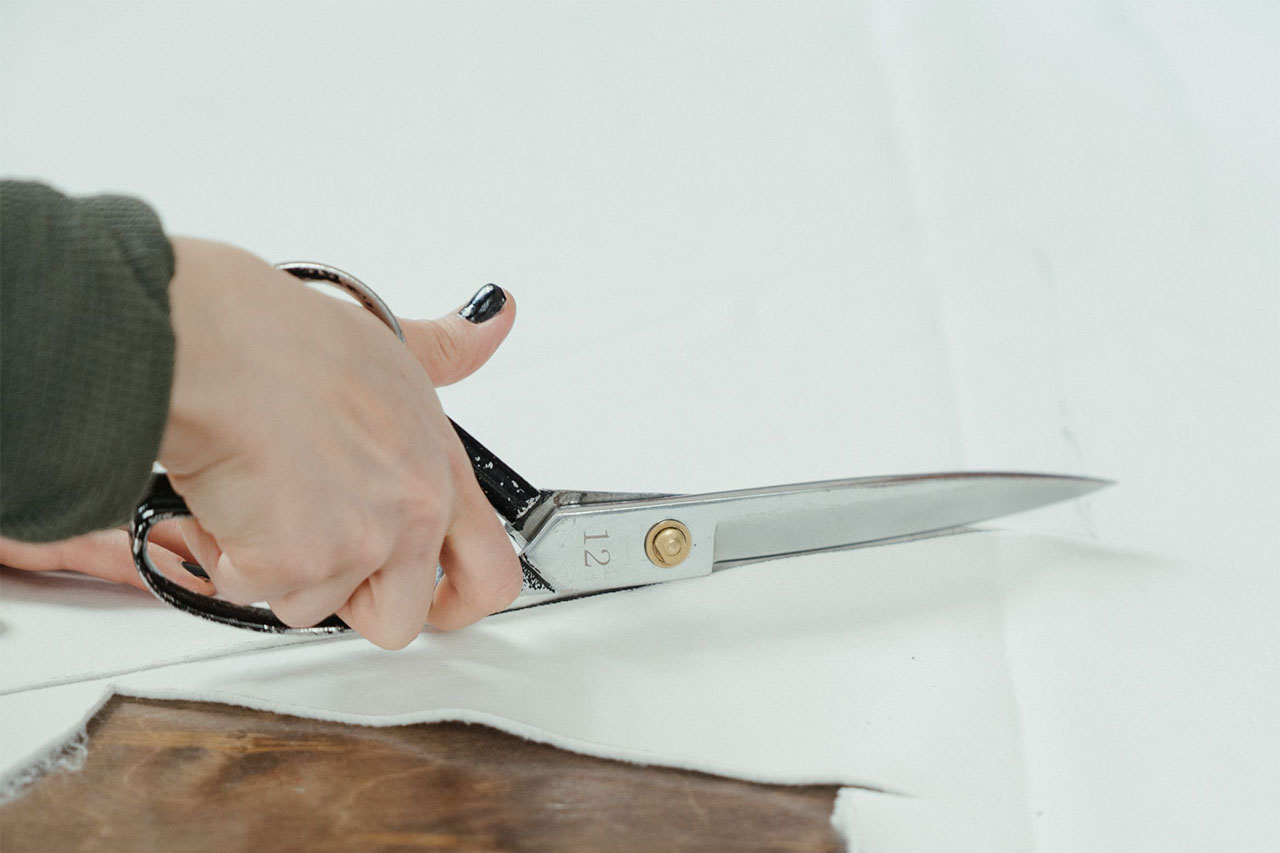
Custom Futon Covers: How Cut-and-Sew Works
Cut-and-sew means a cover is cut and sewn to dimensions you supply rather than pulled from a stock size run. You send measurements, choose a fabric, and a cover is made for that specific mattress or cushion. It’s the answer when the furniture is an odd size, a discontinued size, or not a futon at…
-

How to Clean a Futon Cover: Spot Clean, Dry Clean, or Machine Wash?
Most futon covers should be spot cleaned or dry cleaned, not machine washed. Cotton and cotton-blend covers, and anything in a heavier upholstery-weight fabric, are dry clean or spot clean. A narrower set — polyester-based collections such as Medley linen texture and Ibiza suede texture — can be machine washed in cold water on a…
-

How to Measure a Futon for a Cover
There are two ways to size a futon cover, and you should use both. The fast one: measure the width of the frame’s back panel, arms excluded. If it’s 72–75 inches, you have a Full. If it’s 76–80 inches, you have a Queen. The thorough one: measure the mattress itself in three dimensions — width,…